
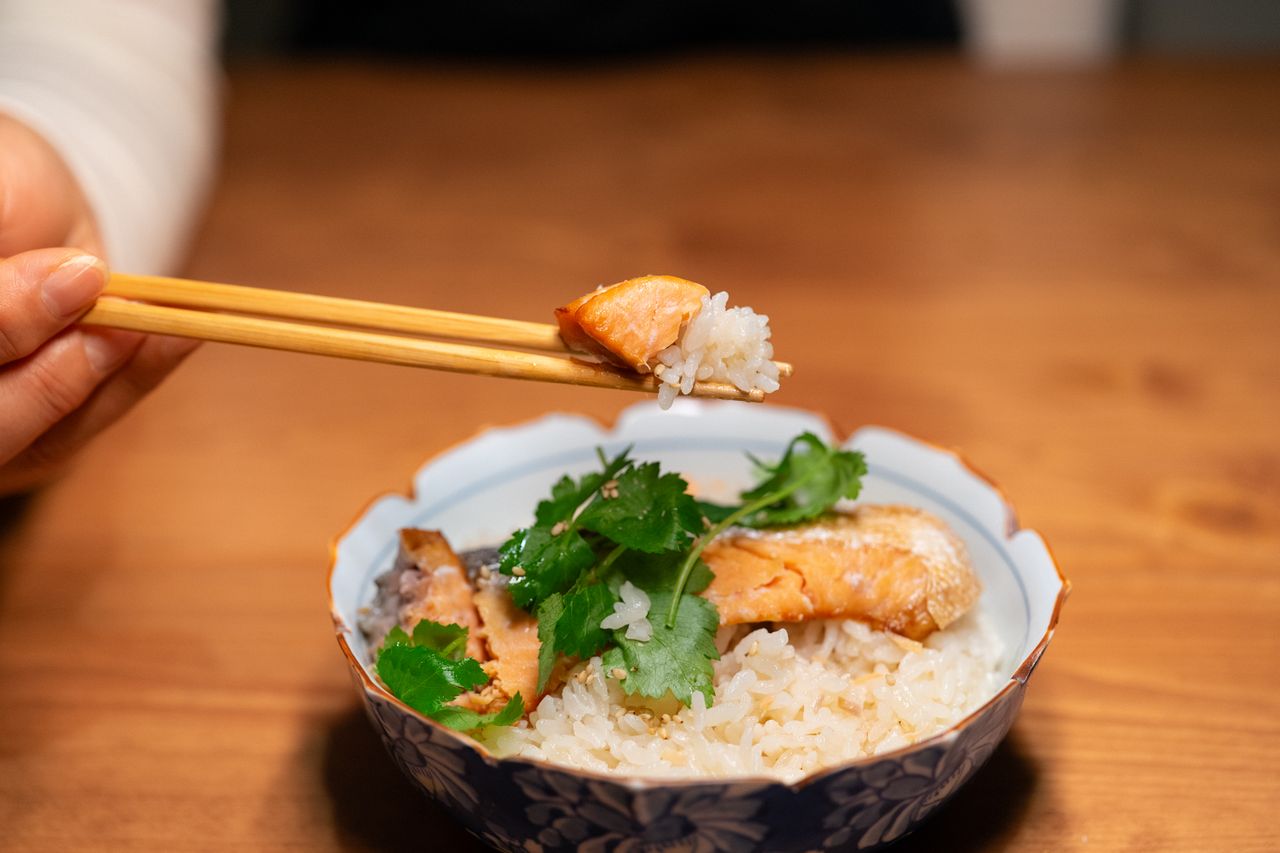
Japanese rice is an essential part of everyday Japanese cooking. Known for its slightly sticky texture, soft grains, and gentle flavour, it is commonly served alongside sushi, curry, grilled fish, vegetables, and many other traditional dishes. Unlike some other rice varieties, Japanese short-grain rice holds together well after cooking, making it easy to eat with chopsticks.
Preparing Japanese rice at home is relatively simple, especially when using a rice cooker. This kitchen appliance helps maintain consistent heat and automatically adjusts the cooking process, allowing the rice to become tender without constant supervision. With the right rice, water measurements, and preparation techniques, anyone can achieve excellent results.
Understanding Japanese Rice
Japanese rice is generally a short-grain variety with a naturally higher starch content than many long-grain rice types. This characteristic gives cooked grains their familiar soft and slightly sticky consistency.
Two commonly recognised varieties are ordinary Japanese short-grain rice, often called uruchimai, and glutinous rice, known as mochigome. Regular short-grain rice is used for everyday meals, sushi, and rice bowls, while glutinous rice is mainly used for special preparations and traditional sweets.
Choosing the correct variety is important because different types of rice produce different textures. For everyday Japanese meals, regular short-grain white rice is usually the best option.
Preparing Japanese Rice Before Cooking
Measure the Rice Carefully
Begin by measuring the amount of rice you want to prepare. A standard rice cooker measuring cup is often smaller than a regular kitchen measuring cup, so it is better to use the cup supplied with your appliance.
For beginners, cooking two cups of Japanese short-grain rice is a convenient starting point. Once you become familiar with your rice cooker, you can adjust the quantity depending on how many people you are serving.
Wash the Rice to Remove Excess Starch
Place the measured rice in a suitable bowl and add cold water. Gently move the grains around using your fingers, then carefully pour away the cloudy water.
Repeat this process several times until the water becomes noticeably clearer. Washing helps remove excess surface starch and unwanted particles, improving the final texture of the cooked rice.
Avoid rubbing the grains too aggressively because this can damage them and affect their appearance.
Allow the Rice to Soak
After washing, transfer the rice into the rice cooker bowl and add fresh water according to the appliance’s instructions. Allowing the grains to soak before cooking helps water reach the centre of each grain.
A soaking period of approximately 20 to 30 minutes is generally suitable for white Japanese short-grain rice. This step helps produce softer and more evenly cooked rice.
Cooking Japanese Rice in a Rice Cooker
Once the rice has been washed and soaked, place the inner cooking bowl inside the rice cooker and close the lid securely. Select the regular white rice setting or the Japanese rice setting if your appliance provides one.
The cooker will control the temperature and cooking time automatically. During this process, avoid opening the lid unnecessarily because escaping steam can interfere with even cooking.
Most rice cookers complete the cooking process within approximately 30 to 50 minutes, although the exact time depends on the appliance, quantity, and selected programme.
When the cooking cycle finishes, allow the rice to rest for another 10 minutes if your appliance does not already include a resting period. This helps moisture distribute more evenly throughout the grains.
How to Get the Perfect Rice Texture
The water-to-rice ratio plays an important role in achieving the right consistency. Too much water can make the rice overly soft, while insufficient water may leave the grains firm or undercooked.
For beginners, following the measurement markings inside the rice cooker is usually the easiest approach. These markings are designed for the appliance’s measuring cup and the specified rice quantity.
Once cooking is complete, use a rice paddle to gently fluff the rice. Lift and separate the grains with light movements rather than pressing them together. This releases excess steam and helps maintain their natural texture.
Common Mistakes to Avoid
One common mistake is skipping the washing process, which can leave excess surface starch on the grains. Another is adding water without considering the rice variety or cooker measurements.
Opening the lid repeatedly during cooking can also affect the results. Similarly, leaving cooked rice in the cooker for too long without an appropriate warming setting may change its texture.
For the best results, use fresh ingredients, follow the appliance instructions, and avoid unnecessary adjustments during cooking.
Conclusion
Cooking Japanese rice in a rice cooker is a straightforward process that requires only a few basic steps. Choosing the correct short-grain rice, washing it properly, allowing sufficient soaking time, and using the appropriate water measurements all contribute to a soft and slightly sticky texture.