
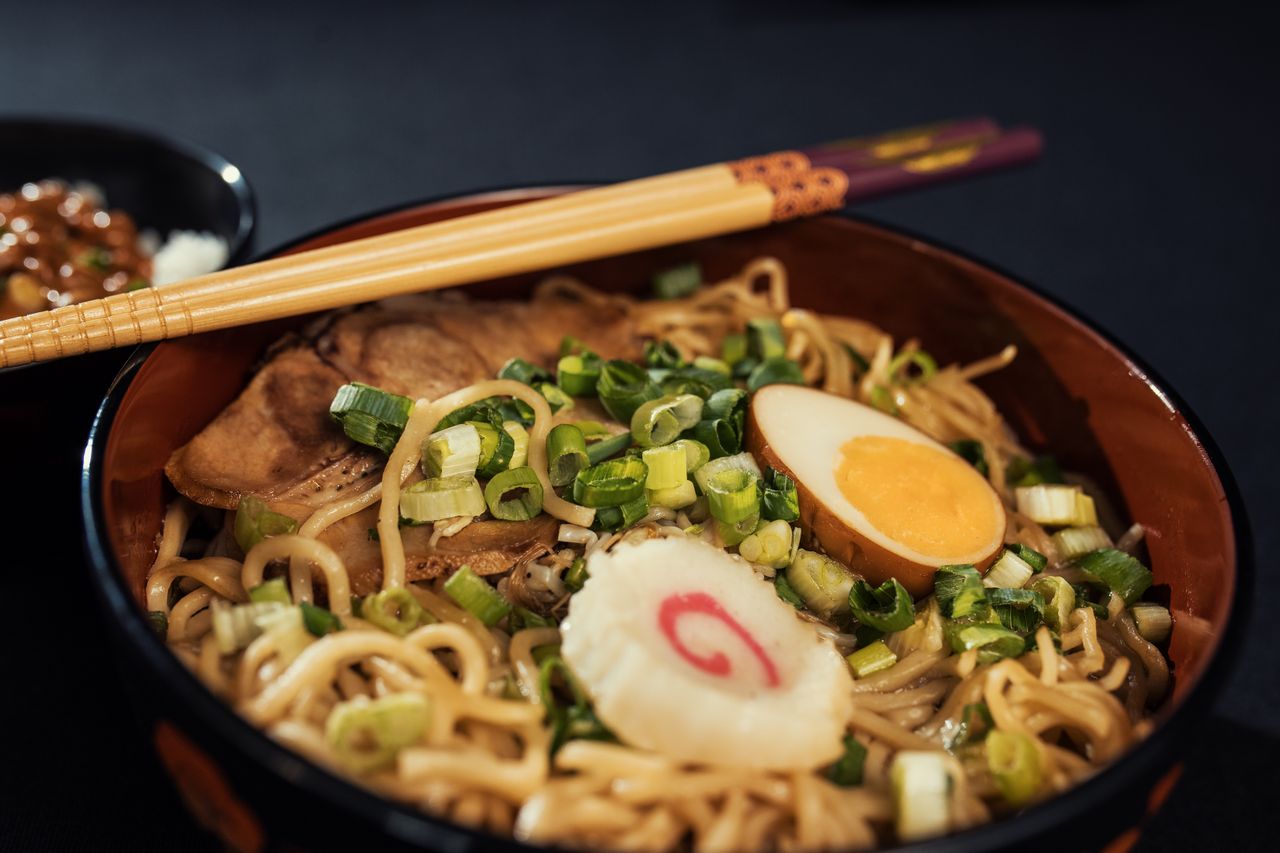
Ramen is one of Japan’s most popular comfort foods, celebrated for its satisfying noodles, flavourful toppings, and deeply aromatic broths. Although it may look like a simple bowl of noodle soup, ramen involves a careful combination of ingredients that work together to create different flavours and textures. From light, delicate soups to rich and creamy broths, every variety offers a distinctive dining experience.
For anyone exploring Japanese cuisine, understanding the different types of ramen is a great starting point. The broth is particularly important because it determines much of the dish’s overall character. Ingredients such as pork bones, chicken, seafood, vegetables, and fermented seasonings contribute to the variety found in ramen restaurants across Japan.
Understanding What Makes Ramen Unique
Ramen consists of wheat-based noodles served in a seasoned broth, usually accompanied by toppings such as sliced pork, boiled eggs, spring onions, seaweed, and bamboo shoots. The noodles can vary in thickness, shape, and texture depending on the regional style and preparation method.
One important aspect of ramen is its seasoning base, commonly called tare. This concentrated mixture is added to the broth to create the final flavour. Even when two bowls use similar ingredients, differences in their seasoning and preparation can produce completely different results.
The Main Types of Ramen and Their Broths
Shoyu Ramen: The Classic Soy Sauce Broth
Shoyu ramen is one of the most recognisable varieties of Japanese ramen. Its broth is seasoned with soy sauce, giving it a savoury, slightly salty flavour and a characteristic brown appearance. It is commonly prepared using chicken stock, although pork bones and seafood ingredients may also contribute to its flavour.
The soup is generally lighter than creamy pork-based varieties, making it a popular option for people who enjoy balanced and traditional flavours. Toppings often include sliced pork, bamboo shoots, spring onions, and a soft-boiled egg.
Shio Ramen: A Light and Delicate Soup
Shio ramen is known for its clear appearance and relatively delicate flavour. The word shio means salt in Japanese, referring to the salt-based seasoning used to prepare the soup. Its broth is commonly made with chicken, seafood, or a combination of both.
Unlike heavier ramen varieties, shio ramen allows the natural flavours of its stock ingredients to remain noticeable. Its lighter texture makes it appealing to people who prefer a less intense noodle soup without sacrificing flavour.
Miso Ramen: A Rich and Hearty Favourite
Miso ramen originated in Hokkaido and is particularly popular in northern Japan. Its defining ingredient is miso, a fermented soybean paste that gives the broth a deep, savoury taste. Depending on the variety of miso used, the soup can range from mildly sweet to strongly savoury.
The broth is often prepared with chicken or pork stock and may include garlic, ginger, sesame oil, and vegetables. Corn, butter, bean sprouts, and minced pork are popular toppings. These ingredients create a filling meal that is especially enjoyable during colder weather.
Tonkotsu Ramen: Creamy Pork Bone Broth
Tonkotsu ramen is famous for its thick, cloudy, and creamy-looking broth. It is made by boiling pork bones for several hours, allowing collagen, fat, and other components to create a rich consistency.
Its flavour is generally more intense than that of shoyu or shio ramen. Thin noodles are commonly served with the soup, along with sliced pork, spring onions, wood ear mushrooms, and pickled ginger. Tonkotsu is particularly associated with Fukuoka and the Hakata ramen tradition.
Tori Paitan Ramen: Smooth Chicken-Based Broth
Tori paitan is another creamy ramen variety, but its richness comes from chicken rather than pork bones. Chicken is simmered extensively until the broth develops a thick, milky appearance and a smooth texture.
Despite its creamy consistency, the flavour can be surprisingly balanced. It is often served with chicken slices, spring onions, mushrooms, and seasoned eggs. This style is a good alternative for people who enjoy rich ramen but prefer chicken-based preparations.
How Toppings and Noodles Complete a Bowl of Ramen
Although broth receives much of the attention, noodles and toppings are equally important to the overall experience. Thin noodles are commonly paired with lighter soups or tonkotsu, while thicker noodles can complement richer miso-based preparations.
Popular toppings introduce additional textures and flavours. Chashu, a Japanese preparation of braised pork, adds tenderness and savouriness. Seasoned eggs provide a creamy centre, while seaweed and spring onions contribute freshness and aroma. Some regional styles also include vegetables, corn, butter, or spicy seasonings.
Conclusion
Ramen is much more than a simple noodle soup. Its different varieties reflect Japan’s regional cooking traditions, creative ingredients, and appreciation for balanced flavours. Shoyu offers familiar savouriness, shio provides a lighter experience, miso delivers depth, and tonkotsu stands out for its rich pork-based broth.