
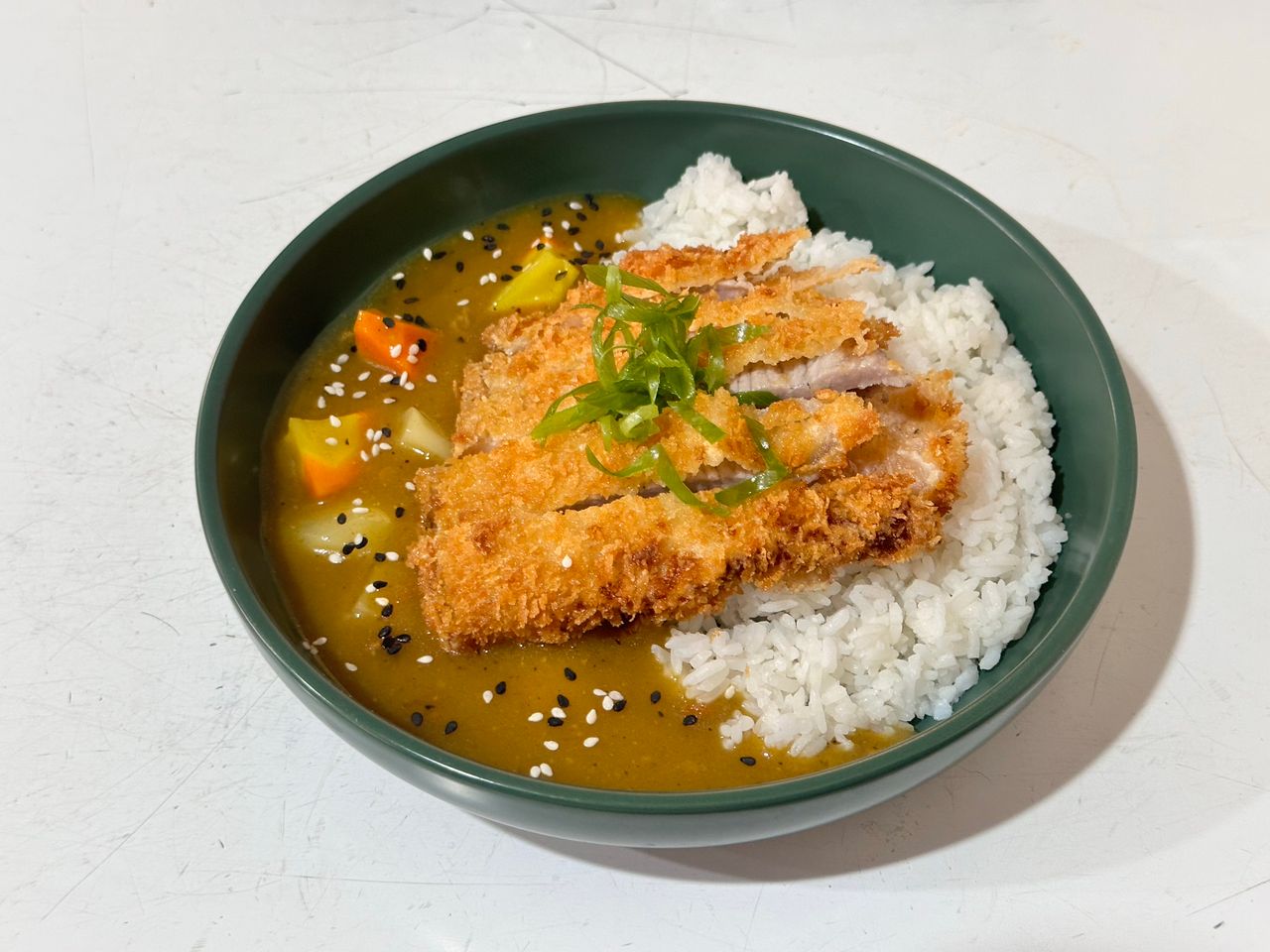
Japanese curry is a comforting dish known for its rich texture, mildly sweet flavour, and satisfying combination of vegetables, meat, and aromatic spices. Unlike some other Asian curries, Japanese curry has a thick, smooth consistency and a balanced taste that is usually less spicy. It is commonly served with freshly cooked rice, making it a popular meal in Japanese homes and restaurants.
One of the best things about Japanese curry is that it does not require complicated cooking techniques or hard-to-find ingredients. With a few basic vegetables, suitable seasonings, and a little patience, you can prepare a delicious homemade version in your own kitchen. Whether you enjoy vegetarian meals or prefer chicken, this dish is easy to adapt to your taste.
Understanding Japanese Curry
Japanese curry, often called kare raisu, is a traditional comfort food that combines a thick curry sauce with rice. Its flavour is influenced by a blend of spices, including turmeric, coriander, cumin, and other seasonings. However, the taste is generally milder and slightly sweeter than Indian-style curries.
The sauce is an important part of the dish. It is usually prepared using Japanese curry roux, which contains flour, fat, and a mixture of spices. This ingredient gives the curry its characteristic thickness and deep flavour. Some home cooks also prepare their own curry seasoning to control the ingredients and adjust the taste.
Ingredients You Need for Homemade Japanese Curry
The traditional preparation commonly includes onions, carrots, and potatoes. These vegetables provide natural sweetness and create a satisfying texture when cooked slowly. Chicken, beef, or pork can be added for extra flavour, while mushrooms and other vegetables work well in vegetarian versions.
Japanese curry roux is a convenient ingredient for beginners because it simplifies the preparation process. Water or stock is used to create the sauce, while a little cooking oil helps soften the vegetables and brown the meat. Steamed Japanese short-grain rice is usually served alongside the finished curry.
Preparing Japanese Curry Step by Step
Prepare the Vegetables and Main Ingredients
Begin by peeling and cutting the potatoes and carrots into medium-sized pieces. Slice the onions into thin strips so they soften evenly during cooking. If you are using chicken or another type of meat, cut it into bite-sized portions.
Preparing everything before turning on the stove makes the cooking process easier. Keeping the vegetable pieces reasonably similar in size also helps them cook evenly.
Cook the Onions and Meat
Heat a little oil in a large saucepan over medium heat. Add the sliced onions and cook until they become soft and slightly golden. This step helps develop the natural sweetness that gives Japanese curry its characteristic flavour.
Add the chicken or chosen protein and cook until the outside changes colour. Stir occasionally to prevent the ingredients from sticking to the bottom of the pan. If you are preparing a vegetarian version, mushrooms can be added at this stage.
Add Vegetables and Simmer
Add the chopped carrots and potatoes to the saucepan. Pour in enough water or stock to cover the ingredients, then bring everything to a gentle boil.
Reduce the heat and allow the mixture to simmer until the vegetables become tender and the meat is fully cooked. Stir occasionally and remove any foam that collects on the surface. Slow cooking allows the ingredients to release their flavours into the liquid.
Create the Thick Curry Sauce
Once the vegetables are tender, reduce the heat and add the Japanese curry roux according to the package instructions. Stir gently until the roux dissolves completely and the sauce begins to thicken.
Allow the curry to cook for a few additional minutes on low heat. Avoid using very high temperatures because the thick sauce can stick to the bottom of the saucepan. If the consistency becomes too thick, add a small amount of water or stock until it reaches your preferred texture.
Serving Japanese Curry the Traditional Way
Japanese curry is most commonly served with a generous portion of steamed rice. Place the rice on one side of a plate and spoon the warm curry alongside it. This simple presentation allows the thick sauce to mix naturally with the rice.
Some people enjoy their curry with pickled vegetables, particularly Japanese fukujinzuke, which adds a slightly sweet and tangy contrast. A fried egg or crispy chicken cutlet can also make the meal more substantial.
Tips for Making Your Curry More Flavourful
The secret to delicious Japanese curry is allowing the ingredients enough time to develop their flavours. Cooking onions until golden creates a sweeter foundation, while simmering the vegetables gently helps produce a richer sauce.
You can also experiment with small additions such as grated apple, honey, or a little tomato paste. These ingredients can introduce extra sweetness and depth without changing the overall character of the dish. However, it is best to start with small amounts so that the original curry flavour remains balanced.
Conclusion
Making Japanese curry at home is a simple way to enjoy one of Japan’s most beloved comfort foods. Its thick sauce, tender vegetables, and balanced seasoning make it a satisfying meal for different occasions. With basic ingredients and a straightforward cooking process, even beginners can prepare a delicious version without professional cooking experience.