
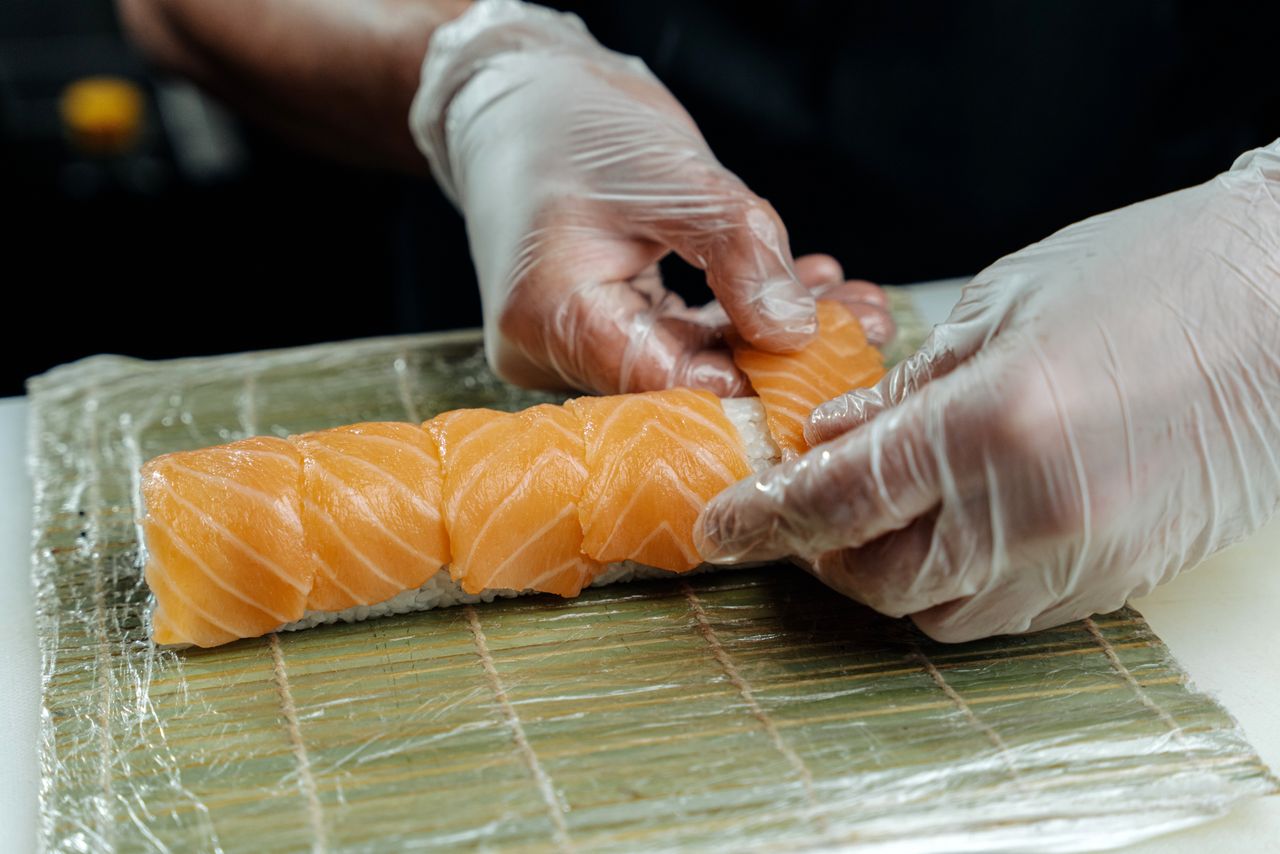
Sushi is one of Japan’s most popular traditional foods, recognised around the world for its distinctive flavours, fresh ingredients, and careful preparation. For someone trying Japanese cuisine for the first time, sushi can seem a little confusing because there are several varieties, each prepared differently. While many people think sushi always contains raw fish, the reality is quite different. Some varieties feature cooked seafood, vegetables, or even sweet ingredients.
Understanding the different types of sushi makes it easier to explore Japanese food and choose dishes that match your preferences. From simple rice combinations to creative rolls, each variety offers something unique.
Understanding the Basics of Sushi
Sushi is primarily made using specially seasoned rice prepared with rice vinegar, sugar, and salt. This rice provides the foundation for different sushi preparations and is combined with ingredients such as seafood, vegetables, egg, and seaweed.
One common misunderstanding is that sushi and raw fish mean the same thing. However, raw fish without seasoned sushi rice is generally known as sashimi. Sushi can include both raw and cooked ingredients, making it suitable for people with different food preferences.
The Main Types of Sushi for Beginners
Nigiri: Traditional Japanese Sushi
Nigiri is one of the simplest and most traditional sushi varieties. It consists of a small portion of hand-shaped seasoned rice topped with a thin slice of seafood. Salmon, tuna, shrimp, and eel are among the commonly used ingredients.
Its straightforward preparation allows the natural flavours of the seafood and rice to stand out. Some restaurants add a little wasabi between the rice and topping, while others use a light glaze for additional flavour. Nigiri is a good choice for anyone interested in experiencing traditional Japanese sushi.
Maki: The Popular Sushi Roll
Maki is a familiar type of sushi that is prepared by wrapping seasoned rice and fillings inside a sheet of dried seaweed called nori. The rolled preparation is sliced into smaller pieces, making it convenient to eat.
Common fillings include cucumber, avocado, salmon, tuna, and cooked seafood. Depending on the ingredients and thickness, maki can have different flavours and textures. Vegetable maki is particularly suitable for beginners who prefer something light and simple.
Uramaki: The Inside-Out Sushi Roll
Uramaki is different from traditional maki because the rice is placed on the outside of the roll, while the seaweed remains inside around the filling. The outer rice layer is sometimes covered with sesame seeds or fish roe.
The California roll is a popular example of this style. It commonly combines imitation crab, cucumber, and avocado. Uramaki is especially popular outside Japan because it offers plenty of opportunities for creative combinations and familiar ingredients.
Temaki: The Hand-Rolled Sushi
Temaki is a cone-shaped sushi variety that is designed to be eaten by hand. It is prepared using a sheet of seaweed filled with seasoned rice, seafood, and vegetables before being folded into a cone.
Unlike smaller sushi rolls, temaki is usually served as one larger piece. Its casual presentation makes it popular for informal meals and gatherings. It also allows diners to enjoy different combinations of ingredients in a single serving.
Inari: A Mild and Sweet Sushi Variety
Inari sushi offers a different experience because it does not traditionally depend on seafood. It is made by filling small pockets of fried tofu with seasoned sushi rice. The tofu is usually prepared using soy sauce, sugar, and mirin, giving it a slightly sweet and savoury flavour.
Its soft texture and gentle taste make it an appealing option for people who are not particularly interested in raw fish. Inari also demonstrates how Japanese cuisine can create interesting dishes using simple ingredients.
Choosing the Right Sushi for Your First Meal
For beginners, selecting sushi depends largely on personal taste. People who enjoy familiar flavours might prefer California rolls, cucumber maki, or cooked shrimp nigiri. Those interested in traditional Japanese preparations can explore salmon nigiri or tuna rolls.
Trying a combination of different varieties is another enjoyable way to understand sushi. It allows beginners to experience different textures, flavours, and preparation methods without limiting themselves to one particular style.
Conclusion
Sushi is much more than rice and raw fish. Its different varieties demonstrate the creativity, simplicity, and diversity of Japanese food culture. Whether you prefer traditional nigiri, convenient maki rolls, creative uramaki, or sweet inari, there is a style that can suit almost every preference.
For beginners, the best approach is to start with familiar ingredients and gradually explore different preparations. With a little curiosity and an open mind, discovering the world of sushi can become an enjoyable introduction to Japanese cuisine.